
Money
Hungary uses the Hungarian forint (HUF), not the euro. Check current exchange rates and how you plan to pay before you travel, and keep an eye on any fees your bank or card issuer charges abroad.
Getting around
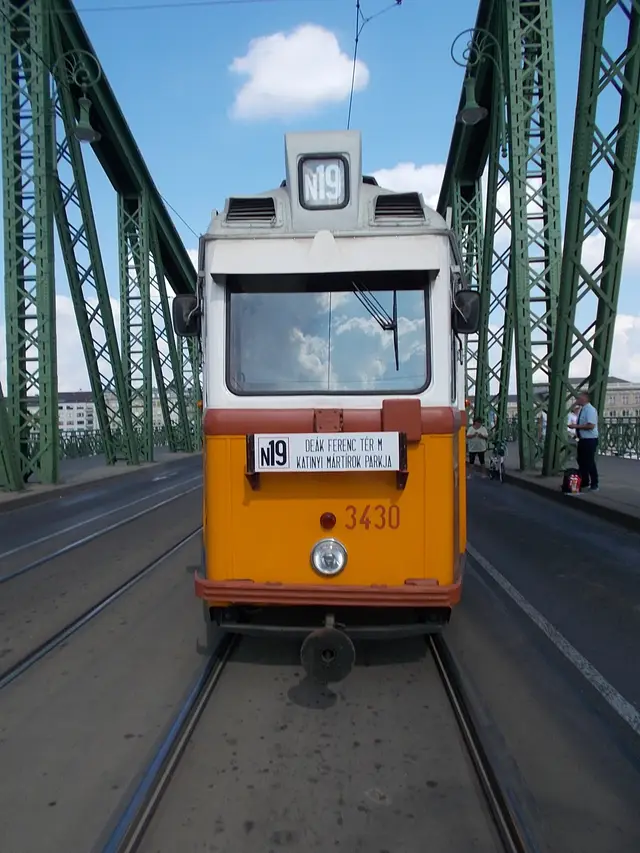
Central Budapest is very walkable, and the metro, trams and buses fill the gaps between neighbourhoods. Public transport is run by BKK; use the official BKK website or the BudapestGO app for current routes, tickets and fares rather than relying on a printed price.
Group your stops by area before choosing transport: it usually saves more time than picking the fastest line.
Read the transport guide ↗Hills, cobbles and accessibility
Pest is flat. Buda is hilly, and Castle Hill and Gellért Hill have slopes, steps and cobbled or uneven stretches. Wear comfortable shoes with good grip, and plan your route if you travel with a pushchair or have mobility needs.
GoToBudapest cannot confirm accessibility at individual venues. Ask the venue directly before you go.
See the Castle District ↗Opening hours, tickets and seasons
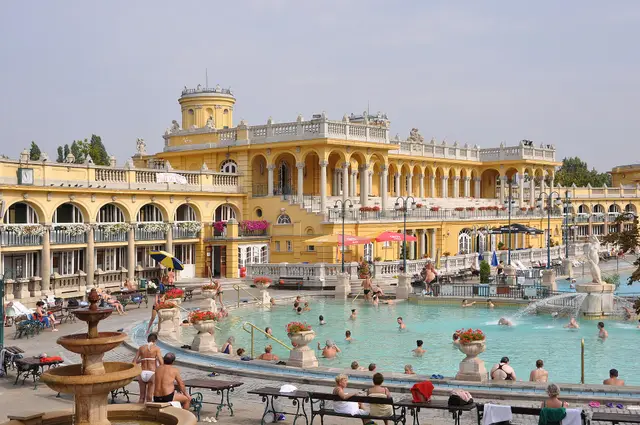
Opening hours, admission rules and ticket conditions change by season and by day. Some venues close on certain weekdays, some outdoor places, such as open-air baths and beaches, run only in season, and some venues close for renovation.
Every place page in our directory links to an official source. Check it for the date you plan to visit, particularly for baths, museums and parliament or church interiors.
Browse all 100 places ↗Visiting memorials and places of worship
Several of the city's most important sites are memorials or active places of worship, including the Shoes on the Danube Bank, the Dohány Street Synagogue and the House of Terror Museum. Dress and behave respectfully, follow the venue's rules about photography and security, and allow the time and space the visit deserves.
Before you leave your accommodation
Keep your accommodation address saved offline, carry a way to contact someone you trust, and note the European emergency number, 112.